What is a battery energy storage system (BESS)?
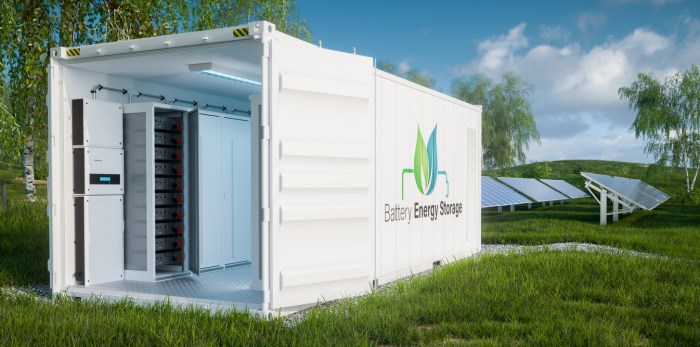
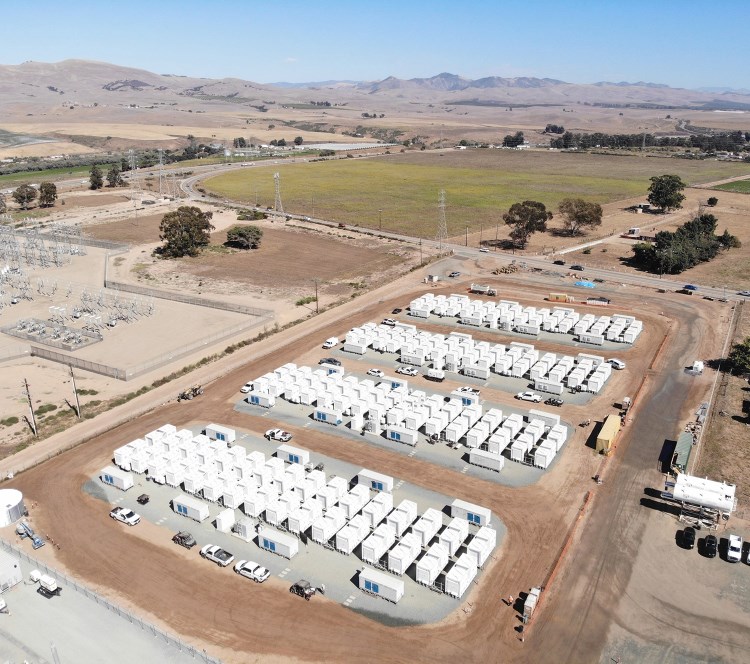
A battery energy storage system (BESS) is a structure that houses a large group of batteries designed to store electrical energy, typically sourced from renewable energy like solar or wind power. The stored energy is released back into the grid when needed, such as during peak demand periods or power outages, helping to prevent rolling outages.
Safety Risks from BESS
Thermal Runaway
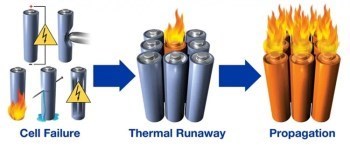
Thermal runaway in battery energy storage systems (BESS) using lithium-ion batteries occurs when heat builds up in a battery faster than it can be dissipated. This can happen due to factors like internal short circuits, overcharging, or external temperature fluctuations. As the heat accumulates, the chemical reactions inside the battery accelerate uncontrollably, leading to a rapid release of energy and a significant rise in temperature. This process can cause the battery to overheat, potentially resulting in a fire, explosion, or other hazards.
To mitigate these risks, facilities are designed with safety systems such as temperature monitoring, fire suppression technologies, and advanced battery management systems (BMS) that help prevent or detect potential issues early on. These systems help ensure that any heat buildup is addressed before it can lead to catastrophic failure, thereby protecting both the facility and the surrounding community.
Cell Ignition / Fires
When thermal runaway happens, the battery cell experiences an unstable chemical reaction. As oxygen combines with the toxic, flammable gases released, it can cause the cell to catch fire, potentially triggering a chain reaction that ignites nearby cells as well.
Cell Breach / Explosions
If the pressure inside the cell becomes too high, it can rupture, releasing flammable gases and, in some cases, high-speed projectiles. These gases can mix with oxygen, creating an explosive risk.
Hazardous Materials - Toxic Gas/Smoke/Plumes
Lithium-ion battery fires produce extreme heat, along with large amounts of gas and smoke. The gases emitted from energy storage systems are both highly flammable and toxic. The specific gases vary depending on the battery chemistry but generally include carbon monoxide, carbon dioxide, hydrogen, methane, ethane, and other hydrocarbons.
Hazardous Materials - Toxic Runoff
The only proven method to stop ongoing thermal runaway in a lithium-ion battery is using large amounts of water over an extended period. However, this process can lead to hazardous runoff, carrying toxic and dangerous substances.
Before a BESS facility incident
- If you live or work near a BESS facility:
During a BESS facility incident
- Listen to local radio or television stations for detailed information and follow instructions provided by emergency officials carefully.